Pregnancy is an exciting journey, but it also brings significant physical and emotional changes. As the body adapts to support a growing baby, many expectant mothers experience back pain, swollen legs, muscle tension, fatigue, and increased stress. One natural and effective way to ease these discomforts is through pregnancy massage, also known as prenatal massage.
Pregnancy massage is a specialized therapy designed specifically for expectant mothers. When performed by a qualified therapist using safe techniques, prenatal massage can help relieve common pregnancy discomforts while promoting relaxation and overall well-being.
In this guide, we’ll explore the benefits of pregnancy massage, how it supports both mother and baby, who can benefit from it, and the important precautions to consider before scheduling a session.
What Is Pregnancy Massage?
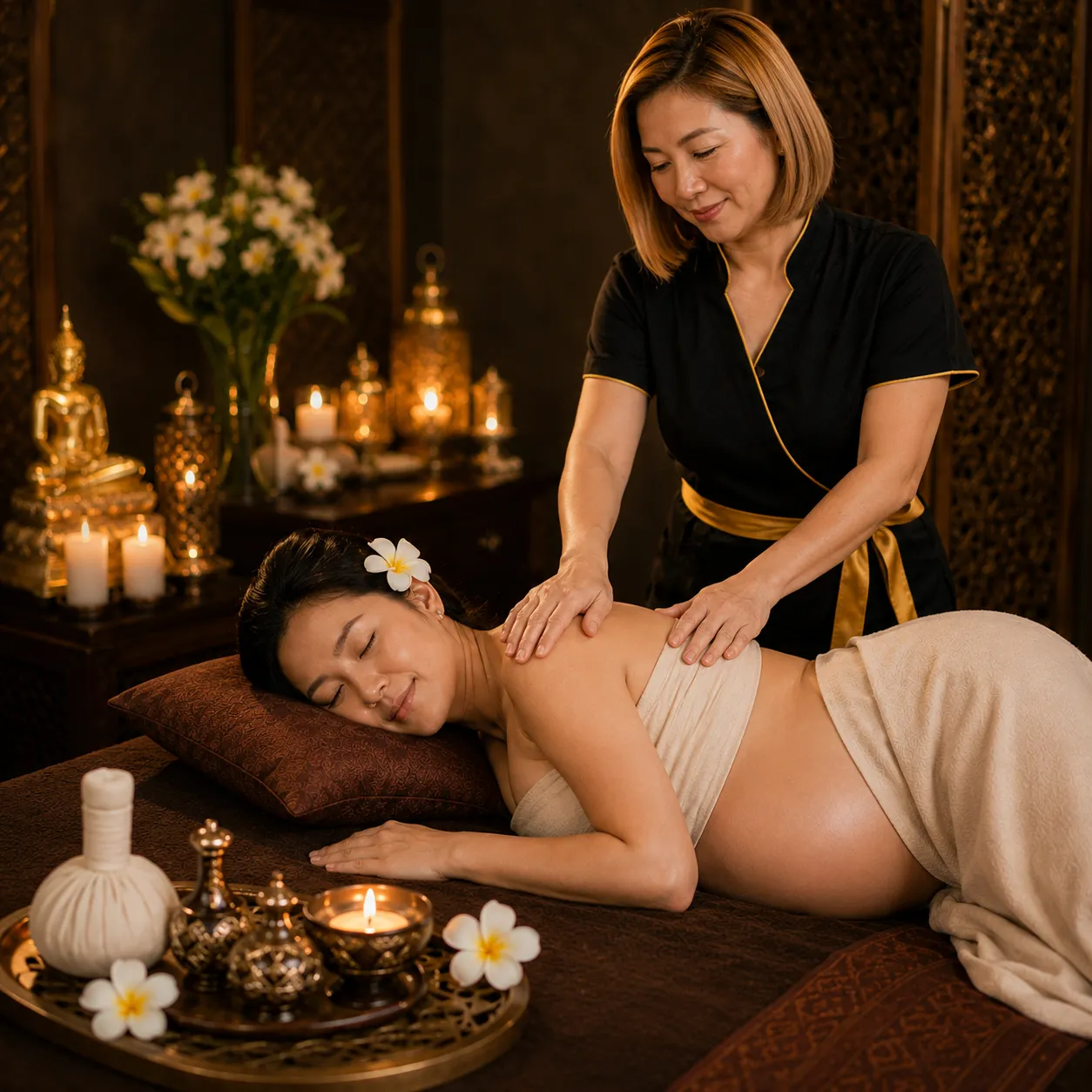
Pregnancy massage is a therapeutic massage specifically adapted for women during pregnancy. Unlike traditional massage, prenatal massage uses gentle techniques, specialized positioning, and carefully adjusted pressure to ensure both the mother’s comfort and safety.
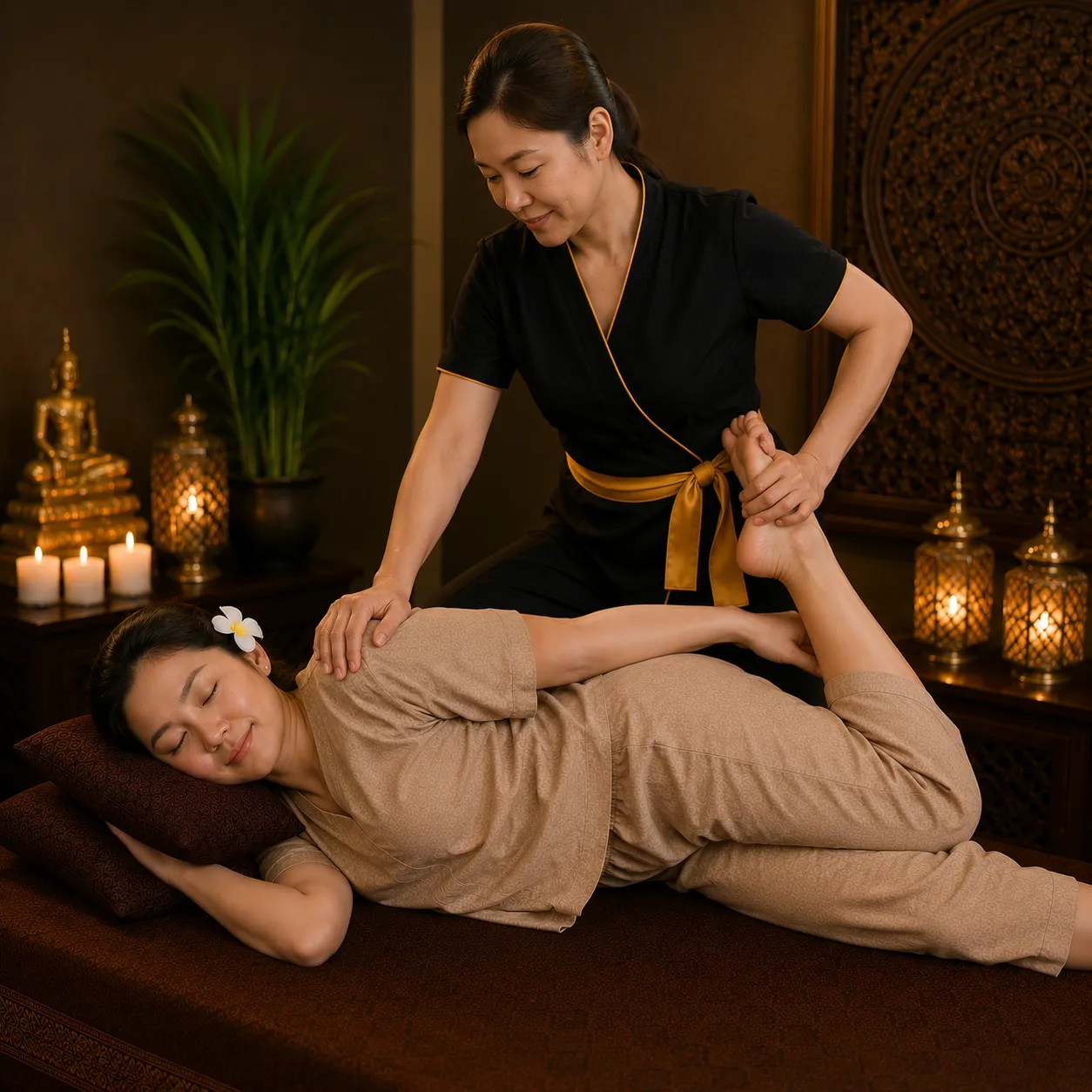
Most sessions are performed with the mother lying comfortably on her side or supported by specially designed pregnancy cushions. The treatment focuses on relieving muscle tension, improving circulation, and reducing stress without placing unnecessary pressure on the abdomen.
A certified prenatal massage therapist understands the physical changes that occur during pregnancy and modifies each treatment according to the stage of pregnancy and the client’s individual needs.
Top Benefits of Pregnancy Massage
1. Relieves Back, Neck, and Hip Pain
As pregnancy progresses, the body’s center of gravity shifts, placing extra strain on the lower back, hips, shoulders, and neck.
Pregnancy massage helps:
- Reduce lower back pain
- Relieve hip discomfort
- Ease shoulder tension
- Relax tight muscles
- Improve overall comfort during daily activities
2. Reduces Leg Swelling
Many pregnant women experience swelling in the feet, ankles, and legs due to increased fluid retention and changes in circulation.
Prenatal massage encourages healthy blood flow and lymphatic drainage, which may help reduce swelling and improve overall comfort.
3. Improves Blood Circulation
Healthy circulation is essential during pregnancy.
Massage supports better blood flow, helping deliver oxygen and nutrients throughout the body while assisting in the removal of metabolic waste.
Improved circulation may also help reduce fatigue and muscle soreness.
4. Reduces Stress and Anxiety
Hormonal changes during pregnancy can increase emotional stress and anxiety.
Pregnancy massage encourages deep relaxation by calming the nervous system and reducing stress hormones.
Many expectant mothers report feeling:
- More relaxed
- Less anxious
- Emotionally balanced
- Better prepared for childbirth
5. Improves Sleep Quality
Sleep often becomes more difficult as pregnancy advances due to discomfort and frequent waking.
Prenatal massage may help improve sleep by:
- Relaxing tense muscles
- Reducing stress
- Increasing comfort
- Encouraging deeper, more restful sleep
Better sleep contributes to improved overall health for both mother and baby.
6. Helps Reduce Muscle Cramps
Muscle cramps, especially in the calves and legs, are common during pregnancy.
Gentle massage techniques help improve circulation and relax muscles, which may reduce the frequency and severity of cramps.
7. Supports Emotional Well-Being
Pregnancy massage provides more than physical relief.
Many mothers experience:
- Improved mood
- Reduced emotional fatigue
- Greater relaxation
- Increased confidence
- Enhanced connection with their changing body
Taking time for self-care during pregnancy can positively impact overall emotional wellness.
8. Promotes Overall Comfort During Pregnancy
Although pregnancy massage cannot eliminate every pregnancy symptom, it can significantly improve comfort and quality of life.
Many women find it easier to:
- Walk comfortably
- Sit for longer periods
- Sleep better
- Move with less stiffness
- Feel more relaxed throughout the day
Who Can Benefit from Pregnancy Massage?
Pregnancy massage is suitable for many healthy expectant mothers, particularly those experiencing common pregnancy discomforts.
It may be beneficial for:
Women with Back or Hip Pain
Prenatal massage helps relieve muscle tension caused by the additional weight and changing posture during pregnancy.
Mothers Experiencing Leg Swelling
Gentle massage techniques can encourage healthy circulation and reduce fluid buildup in the lower limbs.
Expectant Mothers with Stress or Anxiety
Relaxation techniques used during prenatal massage help calm the body and support emotional well-being.
Women with Sleep Difficulties
Massage may help improve sleep quality by reducing physical discomfort and promoting relaxation.
Mothers Preparing for Childbirth
Regular prenatal massage can help improve flexibility, reduce muscle tension, and encourage relaxation before labor.
Important Precautions Before Pregnancy Massage
Although pregnancy massage is generally considered safe for many healthy pregnancies, it should always be performed by a qualified prenatal massage therapist.
Before scheduling a massage, consider the following precautions:
Consult Your Healthcare Provider
Always speak with your obstetrician, midwife, or healthcare provider before receiving a pregnancy massage, especially if you have a high-risk pregnancy or any medical concerns.
Avoid the First Trimester Unless Approved
Some healthcare providers recommend postponing massage during the first trimester due to the higher natural risk of miscarriage during early pregnancy. Follow the advice of your healthcare provider and the policies of your chosen massage clinic.
Choose a Certified Prenatal Massage Therapist
Only receive treatment from therapists who are trained in prenatal massage techniques and understand proper positioning and pressure adjustments.
Avoid Deep Pressure on Certain Areas
Deep tissue massage and excessive pressure should be avoided in sensitive areas unless specifically recommended and performed by an experienced prenatal therapist.
Inform Your Therapist About Your Pregnancy
Always let your therapist know:
- How many weeks pregnant you are
- Any medical conditions
- Pregnancy complications
- Pain or discomfort you’re experiencing
- Any advice or restrictions provided by your healthcare provider
When Should Pregnancy Massage Be Avoided?
Pregnancy massage may not be appropriate without medical approval if you have:
- A high-risk pregnancy
- Severe swelling accompanied by high blood pressure
- Preeclampsia
- Vaginal bleeding
- Placenta-related complications
- Signs of preterm labor
- Deep vein thrombosis (DVT)
- Fever or active infection
If you experience severe abdominal pain, contractions, dizziness, or unusual symptoms, seek immediate medical attention instead of scheduling a massage.
Why Choose Pregnancy Massage?
Pregnancy massage is more than a relaxing spa treatment—it is a specialized wellness therapy designed to support expectant mothers throughout pregnancy.
By relieving muscle discomfort, improving circulation, reducing stress, and promoting better sleep, prenatal massage helps mothers feel more comfortable while supporting their overall physical and emotional well-being.
When performed safely by a qualified therapist and with guidance from a healthcare provider, pregnancy massage can become an important part of a healthy prenatal care routine.
Frequently Asked Questions (FAQ)
Is pregnancy massage safe?
For many healthy pregnancies, prenatal massage is generally considered safe when performed by a qualified therapist. However, it is important to consult your healthcare provider before beginning massage therapy.
When can you start pregnancy massage?
Many providers recommend beginning prenatal massage during the second trimester, although the appropriate timing depends on your individual health and your healthcare provider’s advice.
Can pregnancy massage help reduce swelling?
Yes. Gentle massage may encourage healthy circulation and lymphatic drainage, which can help reduce swelling in the feet, ankles, and legs.
How long does a pregnancy massage session last?
Most prenatal massage sessions last between 60 and 90 minutes, depending on the mother’s comfort and the therapist’s recommendations.
How often should I get a pregnancy massage?
Many expectant mothers benefit from a session every 2–4 weeks during early pregnancy and more frequently in the later stages if recommended by their healthcare provider and massage therapist.
Conclusion
Pregnancy massage is a safe and effective way to support comfort and well-being throughout pregnancy when provided by a trained prenatal massage therapist and approved by a healthcare provider. From relieving back pain and reducing swelling to improving sleep and easing stress, prenatal massage offers numerous benefits that help expectant mothers feel healthier and more relaxed.
Whether you’re experiencing the physical changes of pregnancy or simply looking for a natural way to support your wellness, pregnancy massage can be a valuable addition to your prenatal care. Always choose a qualified therapist, communicate openly about your pregnancy, and follow your healthcare provider’s guidance to ensure the safest and most beneficial experience.
Pregnancy is a beautiful journey, and every expectant mother deserves gentle care and relaxation. At Bann Ticha Bien-Être, our Pregnancy Massage is thoughtfully designed to help reduce physical discomfort while promoting calmness and overall well-being. Performed by trained therapists using safe, pregnancy-friendly techniques, every session provides a nurturing environment where mothers can relax with confidence and comfort throughout their pregnancy journey.
Pregnancy is a beautiful journey, and every expectant mother deserves gentle care and relaxation. At Bann Ticha Bien-Être, our Pregnancy Massage is thoughtfully designed to help reduce physical discomfort while promoting calmness and overall well-being. Performed by trained therapists using safe, pregnancy-friendly techniques, every session provides a nurturing environment where mothers can relax with confidence and comfort throughout their pregnancy journey.